

Categories
Blog Hospital Furniture

Procedure Room Furniture That Ensures Accuracy and Sterility

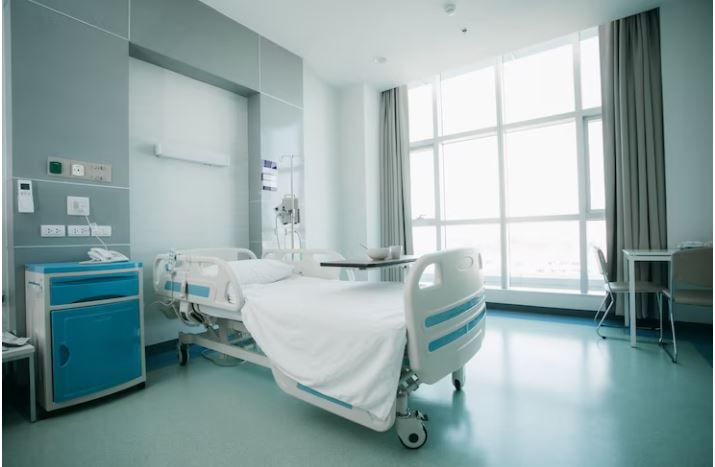
Whether small or large, every healthcare facility is dedicated to helping its patients recover from their ailment more quickly. In this procedure, the room plays a crucial role. The space is dedicated to less-invasive, shorter, non-urgent surgeries or diagnostic tests. It includes endoscopies, biopsies, or minor wound repairs. Hence, the furniture in this space must be perfect, which contributes to the space’s perfection and sterility. If you are planning to open a healthcare facility or refurbish the procedure room at your existing hospital, connecting with renowned hospital furniture dealers in Kolkata is the best way to ensure quality. However, before that, it is mandatory to learn about them in detail.

​

Why Do You Require The Right Furniture In The Procedure Room Of Your Healthcare Facility?

​

Furniture Quality, Material and Design Play a Crucial Role in Sterility

​

Sterility in the procedure room is not just about cleanliness. It’s about reducing the chances of infection and ensuring patient safety. Hence, the furniture of this room must be made with non-porous materials. It includes stainless steel, high-grade plastic, and laminate.

​

Due to their natural features, these components do not have pores, and they do not absorb bacteria. This helps maintain the right atmosphere. Likewise, the upholstered surfaces on examination tables or chairs should be made from vinyl or other wipeable materials. This prevents bacterial absorption, leading to a safer environment for everyone.

​

Partnering with famous hospital furniture dealers in Kolkata helps you access the best furniture. This furniture, with seamless joints or minimal-joint designs, has specially designed joints that prevent the collection of dirt, blood, or bodily fluids. For instance, tables with round edges, without gaps or handles, are easier to disinfect fully.

​

The Agronomic Design Of Furniture Helps In Increasing Accuracy

​

The importance of the accuracy of proceedings in the procure room can’t be overstated. However, for this, medical professionals require flexible furniture, such as an adjustable examination table. From height to size, the table can be adjusted according to the demands of the expert and patient. It reduces strain and fatigue, enabling precise procedures.

​

Modern tables are equipped with the latest features such as stirrups, armrests, and extensions. These help increase the flexibility of the operation, adapt to various types of tests and minor surgeries. Naturally, it elevates the overall service standard. Another important aspect of furniture in a procedure room is the carts and trolleys.

​

These carts are designed to hold all the essential tools, medications, and instruments. The flexibility of these carts and trolleys helps organise all the necessary things in one place. It maximises efficiency and convenience. Almost all reputable hospital furniture dealers in Kolkata provide carts and trolleys with locking mechanisms or non-slip surfaces. This prevents instruments from becoming dislodged, maintaining the integrity of the procedure.

​

The importance of accuracy and sterility in a procedure room can’t be overstated. Therefore, do not show any negligence on this matter and contact us. As a veteran hospital furniture dealer in the city, KR Lynch & Co. offers a wide range of high-quality procedure room furniture. This furniture is easy to sterilise and durable, making it one of the most cost-effective options.

​

Buy procedure room furniture now.


Categories
Blog Hospital Furniture Oxygen Cylinder

How Long Can a Patient Safely Stay on Oxygen Support in a Hospital?

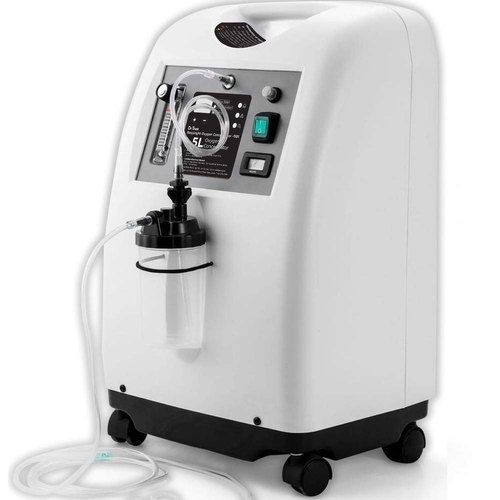
Oxygen therapy is a life-saving medical intervention. It has been given to the patients whose bodies are not receiving sufficient oxygen naturally. Health conditions like pneumonia or chronic obstructive pulmonary disease (COPD) often lead to oxygen support. It can also happen due to heart failure, severe infections, and breathing distress.

Although it is a tough state, with the support of the oxygen cylinder dealers in Kolkata, patients can navigate this time. In this fight, one of the most frequent questions people ask is how long someone can safely remain on oxygen support in a hospital. Well, it depends on several clinical factors, and understanding these can help to gain clarity.

How long can oxygen support be provided?


Short-Term

Often, doctors recommend short-term oxygen support to help patients recover faster. It can be for a few hours or a few days. Typically, it occurs after operations, during asthma attacks, or after infections. However, this type of oxygen support poses minimal risks and, in most cases, medical professionals monitor the entire process.

Medium-Term

Many patients require oxygen support for several days to weeks. Patients with severe pneumonia or acute COPD exacerbations commonly require this type of support. Due to a bit higher complexity, hospital teams closely monitor oxygen levels, breathing rate, blood gases, and overall organ function. It helps to mitigate risk factors and maximise safety.

Long-Term

Patients with chronic or progressive respiratory diseases often require oxygen support for extended periods. It can go for weeks or even for months. Although many people consider it risky, it is safe and one of the most crucial steps of the treatment. However, it must be carefully regulated by a trained medical professional. It is because high oxygen levels over long periods may cause lung irritation or carbon dioxide retention. It is common among susceptible patients, especially people with COPD.

What Are The Factors That Determined The Time Frame Of Oxygen Support?

Underlying Condition

Reversible conditions such as pneumonia, asthma flare-ups, and post-surgery recovery require short-term oxygen support. On the other hand, chronic diseases like COPD, pulmonary fibrosis, and heart failure need long-term oxygen support.

Oxygen Saturation Levels

Low oxygen saturation is one of the main reasons doctors provide oxygen support to their patients. The majority of COPD patients have a saturation level of 88–92%. However, it is not normal. Medicos try to stabilise it around 94–98%. Faster stabilisation of the saturation level reduces the number of oxygen support days.

Carbon Dioxide Retention Issue

Patients with COPD can retain carbon dioxide during prolonged oxygen therapy. To avoid it, the doctor must monitor the timeframe and adjust it accordingly.

How Long Does A Patient Require Oxygen Support?

The duration of oxygen support is determined by the disease, the patient’s age, and overall condition. Therefore, consulting a professional is the best option to find answers for this. If you are stressing about the risk factors, don’t worry. It is not risky as long as experienced individuals monitor it.

Are you looking for a reliable oxygen cylinder dealer in Kolkata to support your loved one in this journey? Contact us. At KR Lynch & Co, we have been supplying a range of hospital supplies, including ECG recorders and oxygen cylinders, for years.

Connect to learn more now.


Categories
Blog Hospital Furniture

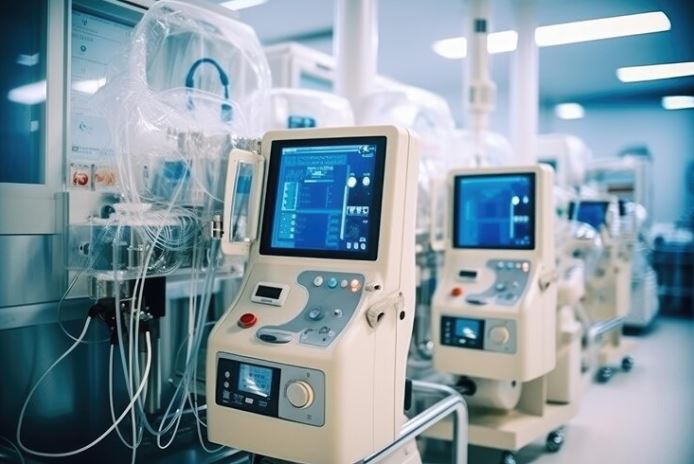
How Hospitals Can Stay Future-Ready with ICU Machines?

Hospitals in India face increasing pressure to provide high-quality critical care. Rising patient loads, complex health cases, and pandemic preparedness demand advanced intensive care units.

To meet these challenges, investing in modern ICU machines has become essential. Hospitals must consider options from trusted ICU equipments dealers in Kolkata to ensure reliable and efficient critical care solutions.

Equipping ICUs with the right machines not only improves patient outcomes but also supports staff efficiency. Modern machines help monitor patients in real time, predict complications, and streamline hospital operations.

For healthcare providers aiming to stay ahead, adopting future-ready ICU technology has become a strategic necessity.

What Are Future-Ready ICU Machines?

Future-ready ICU machines incorporate advanced technology that goes beyond traditional monitoring. They integrate with hospital systems, support smart alarms, and use AI-assisted features for proactive patient care. The key features include:

  • Real-time vital signs monitoring
  • Automated ventilator adjustments
  • Remote access for healthcare professionals
  • Predictive alerts for patient deterioration

These machines ensure hospitals maintain high standards of care and handle emergencies effectively.

Why Hospitals Must Upgrade Their ICU Equipment?

Modern healthcare demands push hospitals to adopt smarter ICU solutions. Upgrading equipment provides multiple advantages, some of which are:

  • Ensures faster response in critical situations.
  • Reduces human error with automated alerts.
  • Supports tele-ICU and remote patient monitoring.
  • Enhances patient safety and treatment quality.

By modernising ICU machines, hospitals in India can manage patient flow better and improve operational efficiency.

How Hospitals Can Implement Future-Ready ICU Machines Effectively?

Hospitals need a structured approach to adopt new ICU technologies. Some of the practical steps that healthcare organisations can take are:

  • Assess current ICU infrastructure and patient needs.
  • Select machines compatible with digital health platforms.
  • Train staff on AI and advanced monitoring features.
  • Schedule regular maintenance and software updates.

Strategic integration ensures maximum efficiency and extends the life of ICU machines.

How Technology Is Shaping the Next Generation of ICU Care?

Emerging trends are transforming critical care worldwide. Here are some innovations that modern hospitals can leverage to stay future-ready:

  • AI-driven predictive analytics to anticipate patient deterioration.
  • IoT-enabled devices for continuous, real-time monitoring.
  • Advanced ventilators with adaptive algorithms.
  • Portable ICU solutions for emergency or remote care.

Investing in these technologies enhances care quality and reduces the burden on medical staff. Using insights from ICU equipments dealers ensures hospitals adopt reliable and compatible systems.

What Are the Key Benefits of Future-Ready ICU Machines?

The advantages of modern ICU machines are clear and measurable. Let’s check them out below:

  • Improved patient survival rates and clinical outcomes.
  • Efficient resource management for critical care teams.
  • Seamless integration with hospital management systems.
  • Long-term savings through predictive maintenance.

Future-ready ICU machines empower Indian hospitals to provide timely, effective, and safe critical care. Choosing reliable systems through trusted ICU equipments dealers in Kolkata ensures consistent performance and longevity. Hospitals looking to upgrade their ICUs can rely on KR Lynch & Co for advanced and dependable solutions. Staying ahead in critical care begins with the right technology. Contact us now.


Categories
Blog Hospital Furniture

How Dealers Assist in Setting Up Modular ICUs in Indian Hospitals?

Indian hospitals are witnessing a steady shift towards modular ICUs. These units offer flexibility, advanced infection control, and faster deployment. Hospitals want efficient solutions that enhance patient care without disrupting operations.

In this transformation, the role of dealers becomes crucial. Experienced ICU equipment dealers in Kolkata support hospitals from planning to execution. They bridge the gap between suppliers and healthcare providers, ensuring smooth delivery of essential infrastructure and equipment. Their expertise makes the difference between a standard setup and a future-ready critical care space.

Modular ICU Requirements: What To Know?

Before any installation begins, hospitals need to define clear requirements. Dealers work closely with administrators and clinicians to identify the exact needs of a modular ICU. Here are the key considerations to keep in mind:

  • Infection control systems that reduce hospital-acquired risks
  • Flexible layouts for maximum space efficiency
  • Reliable power and oxygen supply channels
  • Scalable infrastructure to accommodate future expansion

By aligning these requirements with available technology, ICU equipment dealers ensure the hospital receives a tailored solution.

Role of Dealers in Equipment Sourcing

Dealers are responsible for sourcing and supplying high-quality equipment that meets hospital demands. They ensure that every piece complies with healthcare standards and safety norms.

Some of the most essential kinds of equipment they help procure are:

  • Bedside monitoring systems for continuous patient tracking.
  • Ventilators and advanced life-support devices.
  • Modular furniture and ergonomic ICU beds.
  • Medical gas pipeline systems for uninterrupted supply.
  • Infection control solutions like HEPA filters and negative pressure units.

Through this process, ICU equipment dealers help hospitals avoid mismatched products and costly delays.

Technical Support and Installation Guidance

A modular ICU requires seamless integration of multiple systems. Dealers play an active role in guiding installations and ensuring operational efficiency. Here’s how they assist:

  • Planning layouts to maximise available space.
  • Supervising equipment delivery and integration.
  • Offering training for hospital staff to operate new devices.
  • Providing troubleshooting and maintenance support.

This ongoing technical guidance enables hospitals to focus on patient care while relying on dealers for seamless ICU management.

Ensuring Cost Efficiency and Compliance

Dealers also help hospitals optimise their budgets. They guide administrators towards sustainable investment by focusing on equipment longevity and maintenance planning. The most notable benefits of working with such dealers are:

  • Bulk procurement advantages that lower equipment costs.
  • Transparent advice on long-term service and operational expenses.
  • Assurance of compliance with Indian healthcare standards and accreditation guidelines.

With their expertise, ICU equipment dealers not only save money but also ensure regulatory compliance and readiness.

Dealers stand at the centre of modular ICU development in Indian hospitals. From sourcing and installation to compliance and staff support, they simplify every stage of the process. Reputable ICU equipment dealers in Kolkata ensure that healthcare institutions can create safe, efficient, and scalable ICUs without unnecessary challenges.

For hospitals seeking dependable guidance and reliable solutions, partnering with experts makes a clear difference. KR Lynch & Co., with its established presence in ICU equipment supply and technical support, offers the expertise hospitals need for building future-ready modular ICUs. Contact our team now.

Categories
Blog Medical Equipment

Proper OT Lights Improving Safety and Surgical Accuracy

With the advancement of medical science and technology, the use of instruments, lights, and other surgical technologies in the operating theatre has evolved. Among different operating theatre instruments, OT lights have been a crucial point of consideration for doctors and medical practitioners. Proper OT lights are essential for providing optimal illumination during the surgical process. It helps the doctors to get a clear visualisation of the operating organs and improves the accuracy of the operation.

Doctors can minimise the complications when the visibility is clear.OT & examination lights dealers in Kolkata focus on delivering the best quality lights for this purpose.

Concept of OT light

The background and history of OT light are interesting. It is said that once Thomas Edison’s mother was bedridden and she needed immediate surgery. However, at that time, there was no lighting facility available. Thomas Edison invented the concept of OT light at that time, which was used for critical surgery.  He took out all the Mirrors available in the house and created a circle with them. Then he lit a candle in the middle of the circle. There was enough light and no shadow. That was the origin of the OT light, which has been technologically modified and is now used to ensure patient safety and the accuracy of operations.

Why are OT lights important for surgical accuracy?

Eliminates shadow

OT lights help reduce the shadow that occurs when doctors use surgical instruments on the patient’s body. Since the light falls directly on the patient, it gives a complete view without any shadow.

Provides a clear view

High-quality OT lights illuminate the entire room, with a specific focus on the patient lying beneath them. This light helps surgeons obtain a clear view of the organs, blood vessels, tissues, and any problems within the organs. With the aid of OT lights, doctors can examine the anatomical details of the body and perform surgery with precise accuracy. It helps doctors with precise surgical techniques.

Proper colour visualisation

Advanced OT lights provide accurate colour visualisation of the organs, which is essential for understanding the outcome of potential problems that may occur on the operating table. This helps the surgeons to differentiate between different tissues. It also helps surgeons during surgery to understand the patient’s recovery.

Complete patient safety

Since the light falls directly on the patient and the surgical section of the body, it reduces problems during surgery.  The lights can prevent operational complications like bleeding and tissue damage.

Reduces vision strain

It is also an important component for surgeons, as it helps reduce the eye strain of doctors.  It helps doctors focus on the operating aspects without putting undue strain on their eyes and brain. It gives them the confidence to perform the surgery without any surgical errors.

For high-quality OT and examination lights, contact KR Lynch. We are a certified dealer of different types of hospital components.

Categories
Blog Hospital Furniture

How Hospital Furniture Affects Infection Control: Insights for Procurement Heads

Infection control in healthcare settings depends on far more than medical protocols alone. Hospital infrastructure, especially furniture, plays a critical role in maintaining hygiene and preventing cross-contamination.

Procurement heads must recognise how furniture choices directly influence infection rates. Choosing reliable and compliant hospital furniture manufacturers in Kolkata ensures a safer environment for patients and staff. In a city with high patient footfall and humidity, furniture quality must never be compromised.

High-Touch Surfaces: Prioritising the Right Materials

Hospital furniture constantly comes into contact with patients, staff, and visitors. Every touchpoint becomes a potential source of infection if not designed for hygiene.

Key features to prioritise are:

  • Non-porous surfaces that prevent fluid absorption.
  • Antimicrobial coatings to kill or inhibit bacteria.
  • Stainless steel or coated metal finishes over porous or fabric alternatives.
  • Removable and washable upholstery in case of spillage or soiling.

Smart Design: Cleanability Starts with Structure

Even the best materials fall short if the furniture design complicates cleaning. Procurement heads must ensure ease of maintenance during their selection process.

Cleanable design features to look for:

  • Minimal joints and crevices.
  • Seamless corners and welded frames.
  • Rounded edges to avoid dirt traps.
  • Wheels or lightweight builds for easy movement.

Choosing the Right Vendors and Specifications

To control infections effectively, healthcare facilities must select furniture vendors who follow strict medical-grade manufacturing standards.

Look for:

  • Vendors with proven hospital furniture expertise.
  • Options tested for hygiene, safety, and durability.
  • Documentation on ISO and NABH compliance.
  • Customisability to fit hospital layouts and infection control zones.

Regional Considerations: Kolkata’s Hospital Needs

The healthcare ecosystem in Kolkata deals with high humidity, frequent use, and space constraints in both government and private facilities. These factors amplify the importance of proper furniture selection.

Here’s what procurement teams in the region should focus on:

  • Ventilated mattresses and cots to prevent microbial growth.
  • Stackable chairs and foldable stretchers for space efficiency.
  • Furniture designed to withstand local climate stress.
  • Durable beds with rust-proof frames for long-term use.

In this context, procurement officers often consult trusted hospital bed dealers in Kolkata to ensure optimal compatibility with regional needs.

Integrating Hygiene into Procurement Strategy

Procurement leaders must see furniture not just as an asset but as a frontline tool for infection prevention. Aligning procurement goals with infection control policies improves patient outcomes and reduces operational risks.

Checklist for procurement strategy:

  • Consult infection control teams during selection.
  • Choose washable, chemical-resistant materials.
  • Demand cleaning instructions from vendors.
  • Audit old furniture for replacement or refurbishment.
  • Partner with certified hospital furniture manufacturers.


All reputable hospital bed dealers ensure that their products suit evolving infection control needs.

Infection control starts from procurement. By choosing smart, hygienic, and compliant hospital furniture, procurement heads strengthen the hospital’s safety framework. Working with the right hospital furniture manufacturers in Kolkata helps balance infection control, infrastructure limitations, and patient comfort. For decades, KR Lynch & Co. has supported healthcare facilities with well-designed and compliant furniture that meets modern medical needs. Contact us now.

Categories
Blog Hospital Furniture

How to Ensure Proper Surgical Disposables for Hygienic Safety?

In a healthcare centre, the primary obligation of doctors and healthcare professionals is to maintain the highest degree of hygiene and cleanliness to prevent the spread of diseases. Thus, healthcare professionals are required to handle surgical disposables adequately so that the risk of hazardous infections in healthcare premises is reduced. Not only does it help protect patients, but it also ensures that medical practitioners and nurses are protected from contracting any kind of disease.

There are different departments in a healthcare centre where different types of disposable items are used. Surgical disposables dealers in Kolkata design their products with medical requirements in mind. They are suitable for treatment purposes and also help maintain the hygiene and safety of both practitioners and patients.

What are the different types of hospital disposables?

Among the various disposable medical devices and products, the most common ones are used in medical categories such as Anaesthesia, Urology, Gynaecology, and Paediatrics. Apart from these departments, disposables are also widely used in the Oncology, Transfusion, and Gastroenterology departments. Some of the common hospital disposable items are tubes, oxygen masks, PVC, gloves, aprons, Nasal Oxygen Cannula, and Guedel Airways.

Operating in a healthcare centre without these components becomes life-threatening for both patients and professionals. Especially during surgery, these components play a crucial role. They are designed for single use. Thus, once the surgeries are over, they are disposed to prevent contamination of body fluid and other problems.

Here’s how healthcare providers can ensure the proper use of surgical disposables for hygienic safety.

Choose the best quality

While budget constraints may be a factor, using substandard surgical disposables can compromise patient health. It poses a contamination risk for the healthcare workers as well. Thus, it is always advisable to source surgical disposables from certified and reputable suppliers. Select products that meet international safety standards, such as those bearing ISO certifications or FDA approval.

Ensure to use products from proper packaging

Before using, ensure that you check the packaging and sterility of the containers in which the disposable products are being transported. If you find any signs of a leak, an open box, or tampering, then the package should be treated as a red flag. Sterile disposables lose their effectiveness, making them unsafe for use in medical premises.

Using the right disposable for the right medical work

There are different types of disposable items that are commonly used in healthcare centres. However, to ensure complete hygiene medical practitioners need to know which surgical disposable items to use and in which cases. For instance, a PPE kit must be used in surgery. Again, an N95 mask should be worn in case of respiratory diseases and whenever there’s a chance of infection spread. Surgical gloves and aprons, on the other hand, are required for every medical examination and surgical procedure. Selecting the right disposables for specific types of medical work is essential.

Store disposables in a clean environment

Even after receiving the best quality disposables, the environment might become sterile if the disposables are not stored in a clean and dust-free area. It is the duty of medical practitioners to keep them away from sunlight and moisture exposure as well.

For the best surgical disposables, contact KR Lynch & Co. We are a well-established name in the medical devices and hospital equipment industry, with over 100 years of experience in this field.

Categories
Blog Hospital Furniture

Various Equipment that You Can Find in the ICU of a Hospital

Various Equipment that You Can Find in the ICU of a Hospital

ICU Equipments DealersThe ICU is one of the most vital areas of a hospital. It is generally situated in a quiet hospital space dedicated to treating critically ill patients. The environment inside the ICU is always filled with anxiety and tension. The healthcare staff work tirelessly to offer the best medical treatment to the patients.

The Importance of ICU Equipment

Though the effortless service of doctors and nurses is obliged by many, the equipment at the ICU plays a crucial role in restoring patient health. These are vital medical tools that offer patients life-saving care. From monitoring the time-to-time updates of patient health to identifying their vital signs, these machineries play a crucial role in providing proper medical attention.

Common Medical Equipment Found in the ICU of a Hospital

To receive quality healthcare machinery, getting connected with ICU equipment dealers is advisable. We talk about the vital equipment seen in the ICU in the following section.

  • Ventilators: These are some of the most common healthcare equipment used in the ICU room of a hospital. Ventilators help patients with breathing troubles breathe normally. They pump oxygen and carbon dioxide from the patient’s lungs. In the market, you will find multiple variants of ventilators, some coming with advanced features that can benefit the patients.
  • Defibrillators: This device consists of two compressors that look like a steam iron. They are used to deliver electric shock to the heart to restore its normal rhythm. The machinery is extremely helpful for patients experiencing cardiac arrest. Doctors use it for managing patients with cardiac arrhythmias in the ICU.
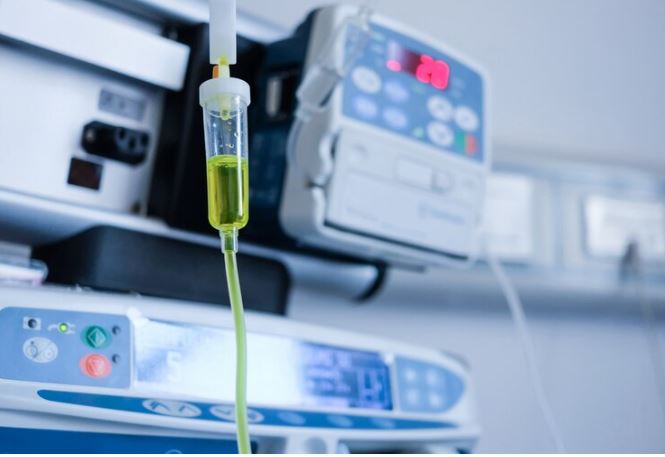
  • Syringe Infusion Pumps: Medication plays a crucial part in a patient’s recovery. When they are unable to consume medicines of their own, doctors use syringe infusion pumps. These are highly helpful in administering intravenous medication. You can also use the pumps to infuse other liquid products and nutrition to the patients.
  • ECG Machines: No matter how big or small a hospital is, you will definitely find the presence of an ECG Machine in its ICU. It helps doctors diagnose and treat patients with heart troubles. Various types of ECG machines are available in the market. The price of this equipment varies largely on the use, features and year of manufacture.

These are a few vital pieces of equipment that you will find in the ICU of a hospital. If you want to buy them from a reliable supplier, contact KR Lynch & Co. We are one of the leading ICU Equipment dealers based in Kolkata and have been known in the industry for over a century. To get a free quote on medical equipment, you can contact us or browse our website.

Categories
Blog Hospital Furniture

Setting Up ICU Equipments At Home During Emergency Times

Setting Up ICU Equipments At Home During Emergency Times

ICU Equipment

One of the most expensive things is medical equipment. But there are cost-effective and safer alternatives of ICU equipments to be set up at home. These setups will help decrease the wait for a bed in the hospital during critical emergency times. Going for an ICU setup at home is recommended when someone suffers from a terminal illness.

The requirement of home ICU setup during the critical times

Emergency room nurse

Getting a certificated nurse is important to take care of the patient’s needs daily. They will be responsible for taking care of the patient, like checking for their bowel and bladder movement, checking if bed sore has happened or not, monitoring the ventilation, temperature check, oxygen level checking, and feeding the patient daily. Knowledge of how to use the equipment is a must for the nurse. The patient’s recovery depends on the good nurse.

Power backup

The machines and equipment should have a backup power source. It is required in case of a power cut, and the recovery process is not hampered.

ICU equipment

The vital part of home ICU setup is the availability of advanced medical equipment at home. The most important ICU equipments that are required are:

  • Mara monitor
  • Machine for suction
  • Nebuliser
  • Deep-vein thrombosis (DVT) pump
  • IV stand
  • ICU bed
  • Oxygen cylinder
  • Ventilator (if required)

Cost of ICU home setup

The setup at home is much less than the hospital cost. It is reduced by around 50%. A home ICU setup will cost you Rs 10,000 to Rs 15,000 a day; on the other hand, a hospital ICU will cost you Rs 25,000 to Rs 30,000 daily. So, it is understandable that the home setup is very cost-effective.

Reasons to consider ICU setup at home

Person-to-person care

When using hospital ICUs, it is very challenging to obtain the attention that the patient requires. In a hospital, even nurses care for three to four patients at a time. However, a home setting offers all the essential attention because a nurse is available to you exclusively 24 hours a day, seven days a week, and planned doctor visits the patient daily.

The convenience of home

It is a luxury to recover by staying in your own home. It is more efficient and economical. Additionally, because there is virtually no chance of catching other viruses while recovering, it is safer than being in a public setting.

So, for any ICU equipments you require for your home ICU setup, you contact K R Lynch & Co. We are a more than a century-old company specialised in dealing with hospital and surgical equipment. Our name is good enough to rely on.


Categories
Blog Hospital Furniture

Interesting Facts About Medical Ventilators – Types and Uses

Interesting Facts About Medical Ventilators - Types and Uses

ICU Equipments

Medical ventilators are a boon for the patients and the healthcare industry. It is a life-saving tool for people suffering from acute respiratory problems. So, if a patient is unable to breathe, then it is the medical ventilator that might save the day. It allows the airflow to enter the patient’s lungs and allow them to breathe freely.

To know more about this life-saving equipment, read on.

How does a medical ventilator work?

Is the patient unable to breathe on their own? Are the patients undergoing some respiratory problems? Under such grave circumstances, the doctors use medical ventilators to save the patient’s life. The work of the ventilator is to forcefully push the air mixed with oxygen into the patient’s lungs.

Unlike other types of machines, a ventilator is a life-supporting machine generally used for patients in the intensive care units of hospitals. In simple words, the ventilators act as external lungs for the individual.

With the help of the external airflow, the patient gets oxygen inside the body and within the blood flow. This helps the patient eliminate stress and keeps the other organs working while the doctor performs the rest of the treatment.

What are the different types of medical ventilators?

Invasive ventilation

In this process, the tube is inserted into the patient’s lung or the trachea, or a hole is made in the neck to insert the ventilator. With the help of these ventilators, the patients generally start breathing. However, in this case, the patients depend on the ventilator for breathing support.

Non-invasive ventilation

In this process, ventilation is provided to the patient without inserting any tubes within the body. In this case, generally, a face mask or a nasal mask is placed on the nose and mouth of the patient, and the patient is allowed to breathe gradually using the same.

When is the ventilator used?

Ventilators are generally used for patients of all ages. You’ll find doctors using a ventilator during the surgery. Especially during general anaesthesia, a non-invasive ventilator does the job of helping patients breathe and help in air circulation within the blood.

Again, for patients who are recovering from surgery, non-invasive ventilation is a major boon. It helps them to breathe without exerting force on their lungs or other internal organs.

Contact K R Lynch & Co for the best quality medical ventilators and other surgical and medical equipment. We supply hygienic, dependable and affordable medical equipment to different hospitals.

To get an idea of our range of medical products, contact us.