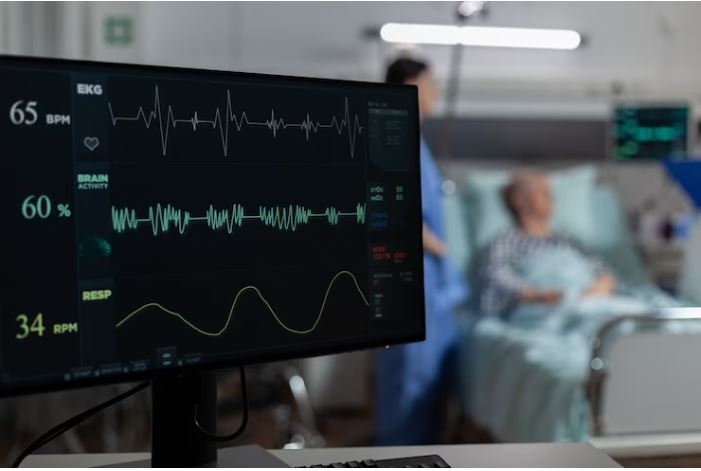



Sensors, data, usage patterns, and service records are utilised for predictive maintenance in medical equipment. This process helps hospitals identify issues before equipment fails. Instead of waiting for devices to break down, regular servicing is a good idea. Predictive maintenance provides a clearer understanding of equipment condition. Based on the data, healthcare facilities can plan maintenance services.
Why Use Predictive Maintenance to Support Healthcare Facilities
Fewer Breakdowns Ensure Safer Patient Care
Whether a ventilator or MRI scanner fails mid-use, your patient can be at risk. Predictive tools provide early warnings so that you can repair the system on time. Proper scanning enables the clinician to trust the report and also the equipment whenever it is needed. It provides peace of mind, which matters.
Lesser Costs and Extended Equipment Life
Emergency repairs cost more money than regular ones. Replacing a tool early costs money. If you catch faults early, you can save money on repair bills. At the same time, you manage to extend your equipment’s life. Here, you can avoid paying for services that are not needed anymore. This frees up budget for other priorities.
Record Keeping and Easier Compliance
Medical equipment must meet strict regulatory and safety standards. The predictive system records every alert and reading. As a result, repairs are never delayed. Even when an auditor asks for the maintenance history, you can provide it immediately. You can generate a complete report in a few clicks. You don’t have to dig through paper files.
Take Measures Before Failure
Reactive maintenance isn’t ideal, as it only happens after your equipment stops working. However, predictive maintenance follows a schedule and helps you understand your tool’s actual condition. Between appointments, repairs happen before a breakdown.
Pay Money for the Service Required Only
If you need to replace equipment early, you lose money. However, a fixed service schedule also means that you are paying for services that are not required anymore. Predictive tools can spot faults early, helping you avoid buying new equipment and the associated costs.
Make Evidence-Backed Decisions
Both habits and guesswork were part of older methods. However, the predictive systems have changed everything. By logging everything, you know exactly when to repair the tools.
Where to Use Predictive Maintenance
You can use predictive maintenance services across different hospital departments. Better value from the system is assured when it is used for critical equipment. If you use these tools frequently, they are more likely to need replacement. In patient care workflows, it can deliver better results.
When using ventilators, infusion systems, patient monitors, and syringe pumps in the critical care unit, you must plan for maintenance service properly. It is also an effective choice for the diagnostic imaging and laboratory departments.
KR Lynch & Co is a reliable medical device service provider. Switching to a predictive maintenance approach helps repair equipment more efficiently. We help keep your medical facility’s workflow seamless. Our professionals understand your requirements and deliver service accordingly. Call or contact us today to learn more.